

What Is Transitional Kindergarten? A Parent's Guide to TK in California
 What Is Transitional Kindergarten? A Parent's Guide to TK in California

Transitional kindergarten (TK) is a free public-school year for four-year-olds. Here is how it works, who is eligible, what a TK day looks like and how Concord families enroll.
Transitional kindergarten (TK) is a free public-school year for four-year-olds. Here is how it works, who is eligible, what a TK day looks like and how Concord families enroll.
If your child is turning four, you have probably heard other parents mention “TK.” Transitional kindergarten is California’s free school year for four-year-olds, and it is now open to every child who meets the birthday cutoff. This guide explains what it is in plain English so you can decide whether it fits your family.
Transitional kindergarten is the first year of a two-year kindergarten program in California public elementary schools. Children attend TK the year they are four, then move on to kindergarten the following year at age five.
TK is taught by a credentialed teacher on an elementary school campus. It uses a modified kindergarten curriculum built for four-year-olds, with plenty of play, hands-on learning and social-emotional growth alongside early literacy and math. California’s Preschool/Transitional Kindergarten Learning Foundations describe the skills children typically build in these years.
Every child who turns four years old on or before September 1 of the school year is eligible for TK in a California public school. Children who are already five by September 1 enroll in kindergarten instead.
| School Year | TK: Child’s Birthdate | Kindergarten: Child’s Birthdate |
|---|---|---|
| 2026–27 | September 2, 2021 to September 1, 2022 | September 2, 2020 to September 1, 2021 |
| 2027–28 | September 2, 2022 to September 1, 2023 | September 2, 2021 to September 1, 2022 |
Some districts also allow early enrollment for children who turn four after September 1, if space allows. Policies vary, so ask your district directly.
Registering for fall 2027?
Most California districts open kindergarten and TK registration for the next school year in winter or early spring. If your child was born between September 2, 2022 and September 1, 2023, watch for your district’s 2027–28 registration window.
State law sets a few guardrails that make TK different from a typical kindergarten class:
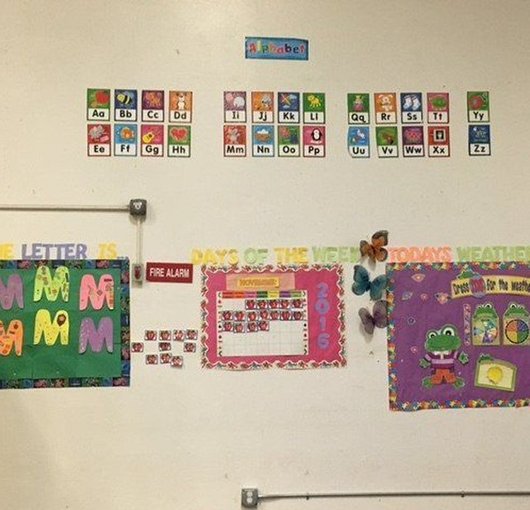
A typical TK day includes arrival and circle time, small-group literacy and math activities, choice time at learning centers, outdoor play, lunch or snack, and a story or closing circle. Exact routines vary by school and teacher.
TK is free. It is part of the public school system and funded by the state, just like kindergarten. There is no tuition and no income requirement.
TK is also optional. You can choose TK, keep your child in preschool for another year or do a mix. In California, school attendance becomes required at age six.
TK follows the elementary school day and calendar, so it ends in the early or mid afternoon and closes for school breaks and summer. Some schools run full-day TK and others part-day.
Many districts offer before and after school programs for TK through 6th grade students, including programs funded by California’s Expanded Learning Opportunities Program. Spaces and hours vary by school. Working parents often pair TK with one of these programs or with a licensed child care center for the hours school does not cover. Our guide to TK vs. preschool in Concord walks through the schedule gap and how families plan around it.
California created transitional kindergarten through the Kindergarten Readiness Act of 2010. At first it served only children with fall birthdays who just missed the kindergarten cutoff.
Starting in 2022–23, the state widened eligibility every year by moving the birthday window back a few months at a time. By the 2025–26 school year, TK became universal: every child who turns four by September 1 now qualifies.
Families in Concord enroll in TK through Mt. Diablo Unified School District (MDUSD). Eligibility follows the statewide September 1 cutoff. Before you enroll, ask your neighborhood school:
Still weighing TK against another year of preschool? Read our side-by-side TK vs. preschool guide for Concord families.
Super Kidz Club does not run TK; transitional kindergarten is a public-school program. We offer a Reggio-inspired preschool for ages 2 to 5 that builds the confidence, curiosity and early skills children carry into TK and kindergarten, plus a before and after school program for school-age children. If you are deciding when your child should start TK, or how to cover the hours around it, schedule a tour and we will talk it through with you.
Quick answers about transitional kindergarten in California.
More Parent GuidesTransitional kindergarten (TK) is the first year of a two-year kindergarten program in California public schools. It is a free, optional school year for four-year-olds, taught by a credentialed teacher with a play-based, modified kindergarten curriculum.
Children who turn four on or before September 1 of the school year are eligible for TK. For 2026–27 that means a birthday from September 2, 2021 to September 1, 2022. For 2027–28, a birthday from September 2, 2022 to September 1, 2023.
Yes. TK is part of the public school system, so there is no tuition and no income requirement.
No. TK is optional, and so is kindergarten in California. School attendance becomes required at age six.
TK is a free public-school year on an elementary campus that follows the school calendar. Preschool is run by child care centers and other providers, often with full-day, year-round hours. See our TK vs. preschool guide for a full comparison.
State law requires districts to keep TK classes to an average of 24 students or fewer, with about one adult for every 10 students starting in 2025–26.
No. TK is a public-school program. Super Kidz Club offers Reggio-inspired preschool for ages 2 to 5 and before and after school care for school-age children.
Tour our Concord, CA preschool and get an honest read on whether your child is ready for TK, or would thrive with another year of preschool.
Tours typically take 30 minutes.